'Whatever' and Catastrophic Kindness...
Why it's time for Gen X to pass the fire to Gen Z.

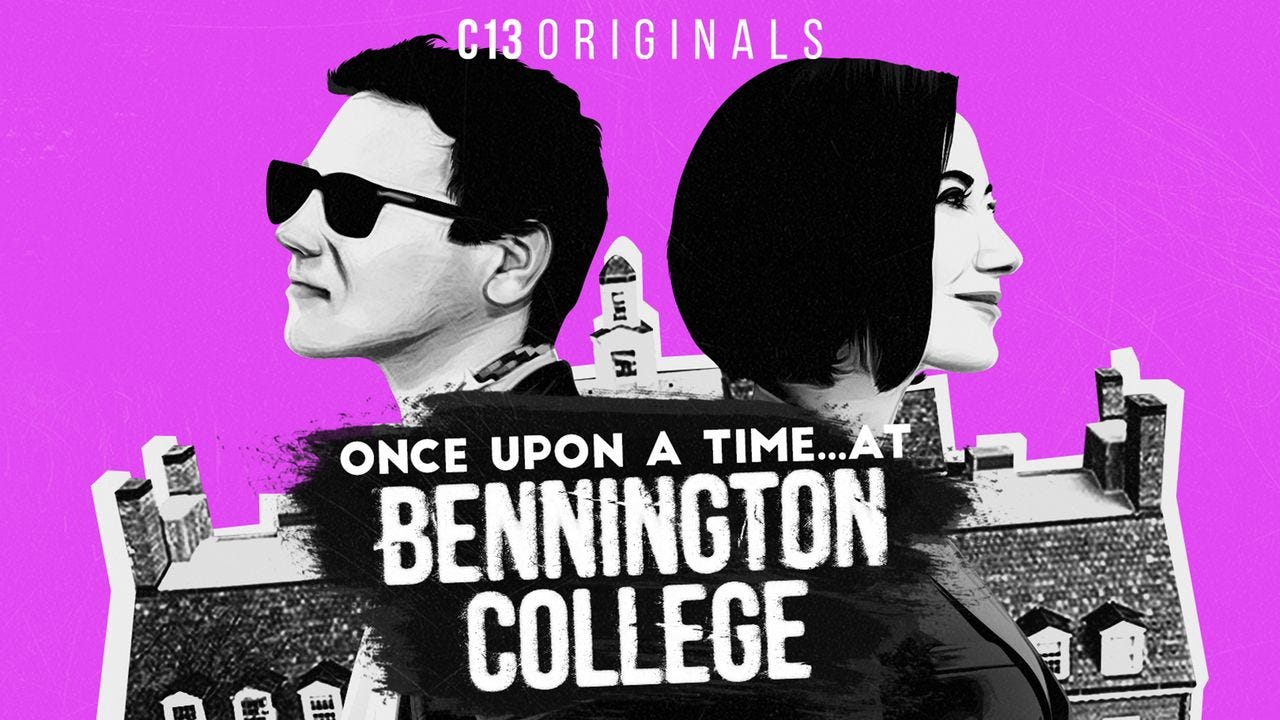
Lately I’ve been travelling a lot for work and have been listening to a podcast called ‘Once Upon a Time in Bennington College.’ It’s a great listen for anyone who loves literature, and particularly a specific type of literature that became popular in the 1980’s and 1990’s, which became to be known as ‘dark academia’ which mythologised Generation X (1965-1980) and their social, cultural and intellectual shenanigans somewhat in high school, but more in college/university – and what came after. Writers like Donna Tartt, Brett Easton Ellis and Jay McInerney all captured the lightning in a bottle moment of the late ‘80’s and early ‘90’s as young writers before the internet became a ‘thing’ and their vignettes reveal worlds that are both entirely alien and have peculiar parallels to the current generation of young adults – Gen Z.
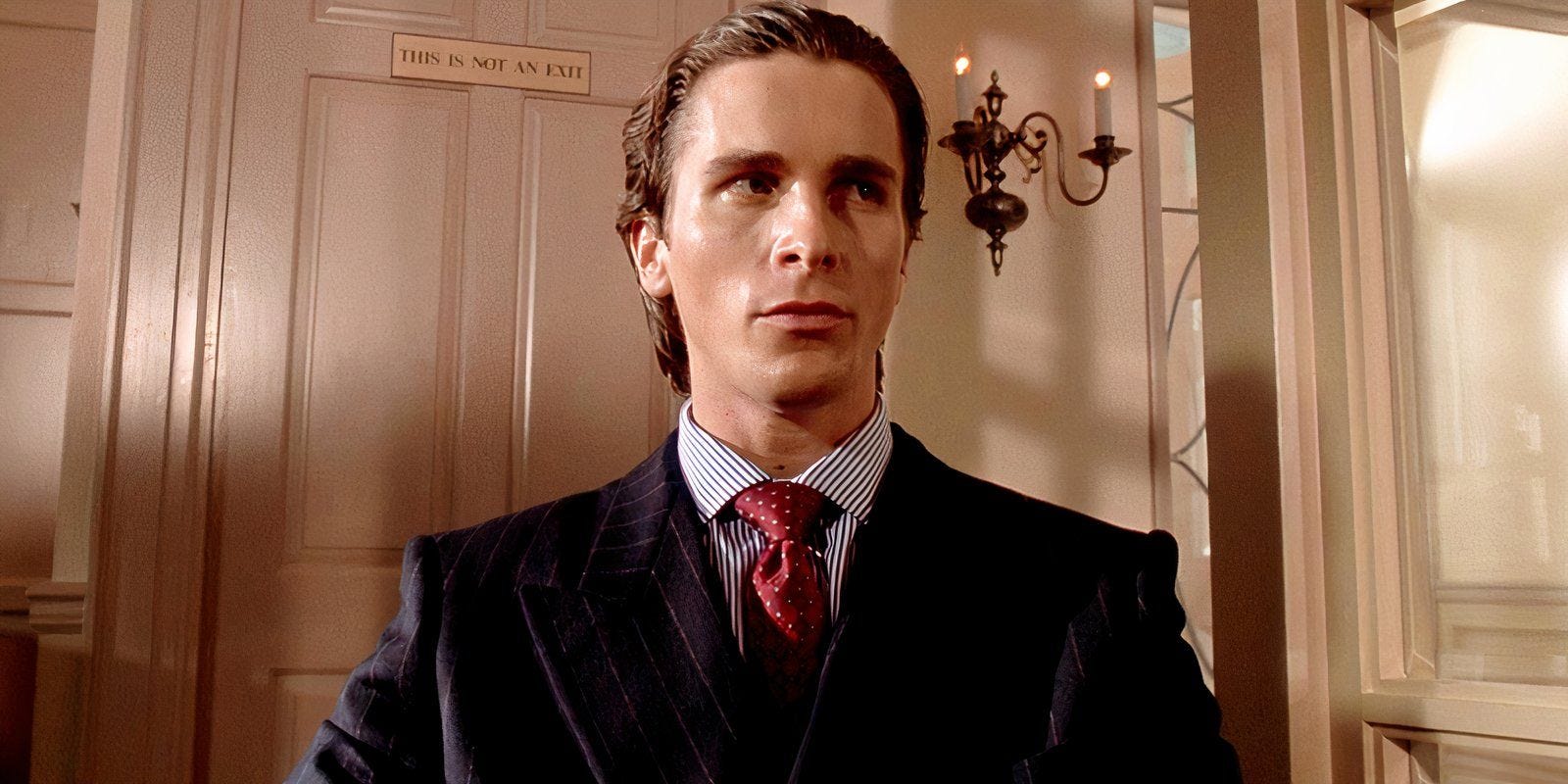
Brett Easton Ellis’ flat, nihilistic prose and characters in particular have the closest proximity I can find to the new breed of manosphere influencers of today. Like Patrick Bateman, (American Psycho), Sean Bateman (Rules of Attraction) and Clay (Less than Zero), many manosphere influencers unapologetically state their only religion and motivation is wealth, beauty and fame, and their whole schtick is cruelty and using people for what they can get out of them. In both Ellis’ world and the influencers’ world, there is no room for feelings, substance, loyalty or lingering on more profound questions like what things mean or what matters (other than money and fame.) Everything is flat, hard, coldly beautiful surfaces and though this generation might have swapped the written word for screens, the aesthetic and psychology are curiously similar. Interestingly, a lot of young influencers are the only demographic who are getting something remotely resembling the lived experience of Gen X, both real and literary. Dark academia is overrun by over-privileged characters who from high school age get the run of their own apartments, lives and relationships – funded of course by financially overindulgent but emotionally neglectful parents. Naturally, this often descends into anarchy, and these worlds are less Peter Pan and more wasted Lord of the Flies, with sex, drugs, inappropriate adults and much worse in abundance. Watching the Louis Theroux documentary on the manosphere, the ‘man cave’ villas the successful influencers were hiring out for them, and their entourages were about as spiritually close to anything young people today get from the world Ellis imagined in the eighties and early nineties.

But for some of the rottenness, there was a glorious side to all of this too. Listening to the more factual side of the writer’s lives who captured their own lived experiences so well in ‘Once Upon a Time…’ two things stand out.
The first is, in all the privilege, there were plenty of young Gen X people from normal or even poorer backgrounds who were getting the same experience as the rich kids, and the system of financial aid, grants and willingness to invest in young people meant that colleges and universities were actually far more committed to diversity and inclusion back then. But rather than talk the talk of DEI we get so much of today, it walked the walk, meaning at points in the eighties, 65% of Bennington’s student body was on financial aid, and poorer kids got to break bread with rich kids, and though social distinctions were there, they mattered less than they do today. It’s insane how backwards we’ve gone on this, and the notion of any private institution – school, university or otherwise – having the majority of the student body on financial aid seems more the stuff of fiction today than any great writer could dream up.
So far, so much the fault of ‘the system.’
But there is another component that falls far more on young people’s themselves, and this is where an interesting question of character and responsibility comes in, not to mention the role of parents and carers. In the 1980’s and 1990’s, whether you were rich, poor or somewhere in the middle, the second young adulthood beckoned, a fire was lit. You got into a cheap car you bought on the wages of an afterschool job and hit the road, whether it was to go to college or university, get a job or move in with your friends or first boyfriend or girlfriend. The notion you’d want to stay at home past the age of eighteen even if this was an option was absolute anathema to this generation and this was because, well, even if you loved your parents, you perhaps didn’t like them very much.
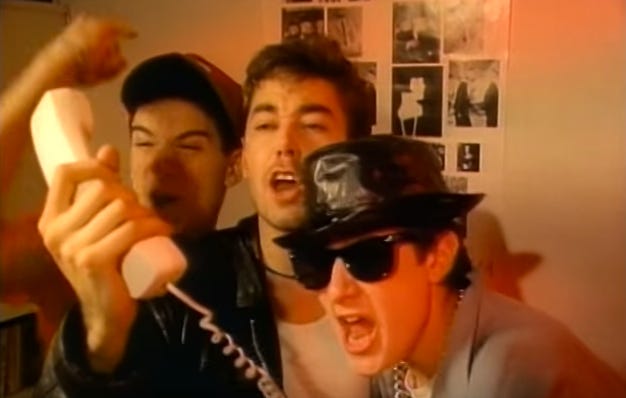
Gen X’s parents were Boomers or even the Silent Generation and very much the type of parents so (accidentally) articulately described in The Beastie Boys Gen X anthem, Fight for your Right, the types who were suddenly scandalised by boys with long hair, thought porno mags warranted a trip to military school and well, hated, The Beastie Boys. Even though lots of the parents of Gen X were ex-hippies and children of Flower Power and might have even marched against Vietnam or in support of Dr. King, found the excess, yuppyism, gender-bending and increasingly relaxed stance on/embrace of gay lifestyles and sex that were normalised in the eighties and nineties, shocking in the way their parents might have disapproved of hippies and The Beatles. The Gen X attitude to parents we see in Brett Easton Ellis, Donna Tartt and even the much brighter and more idealistic stable of John Hughes ‘Brat Pack’ films was at best forbearance and at worst a hatred of the bullying, narrow ideals and betrayal of their 1960’s pipedreams. The Gen X mantra no matter your economic or social status or what country you resided in, was (to quote the Bronski Beat gay ‘80’s anthem) ‘run away, run away, turn away’ and because of this everything from big cities to small college towns saw young people flock and establish kind of young adult colonies where new rules, new dreams and new identities were forged.
This suited both younger Gen X-ers and their parents well. Gen X got to figure out who they were and live as adults and old people got to be, well, old people in a way modern parents of young adults don’t – but more of that in a minute. Listening to ‘Once Upon a Time…’ the shock for me comes not from the tales of sex, drugs, hedonism, good art, bad art, writing your first novel, makeups, break-ups, pregnancy scares, moving from coast to coast in a clapped out car with just your best friend or lover, trying out different identities, bad jobs, getting fired, getting hired and just figuring out who you were, but the fact they were all doing this between the ages of eighteen and twenty-four – and sometimes even younger. Compare this if you will to the current experiences of now Gen Z, 18–24-year-olds. Except for a tiny privileged minority, their young adult experience couldn’t be more different. They are a generation, through no real fault of their own are living at home, many often during university or long into getting their first jobs. The ones that do get away to university or college remain firmly tied to their parents both emotionally and technologically and the significant majority describe to me parents who will come at the drop of a hat to solve problems, pick up laundry deliver food and dry tears – or get their young adult kids to come home sometimes weekly.
What’s peculiar about this, are these parents are in the majority Gen X kids – the latchkey kid, cook your own dinner, say ‘see ya’ at the beginning of term and not come home until Christmas generation. So what changed? In large part, Gen X and millennial parents wanted different relationships with their own children and many of them came of age at the dawn of both discussions about mental health and nurturing kids, but also the sudden tech boom and then ubiquity of smartphones and social media. Suddenly, the whole world lived in a fishbowl and could follow the minutiae of both family members lives, celebrity lives, and random stranger’s lives. The Gen X kids who grew up themselves maybe yelling into a payphone in the student union bar to their parents once a week/term were raising kids in a world of helicopter parenting and apps that follow your kids’ every movement. Parents were expected to not only tend to their every need of their child, support every whim of their teenagers but also wanted to be mates with their kids, sharing music, tattoos, social media platforms, politics, views and even social lives – a noted, weird feature of lots of celebrities like the Beckhams and Kardashians is how they all hang out together, multi-generationally with often little evidence of same-age friends and outsider interests. This has definitely hugely influenced modern family dynamics - and not necessarily for the better. Just ask Brooklyn Beckham.
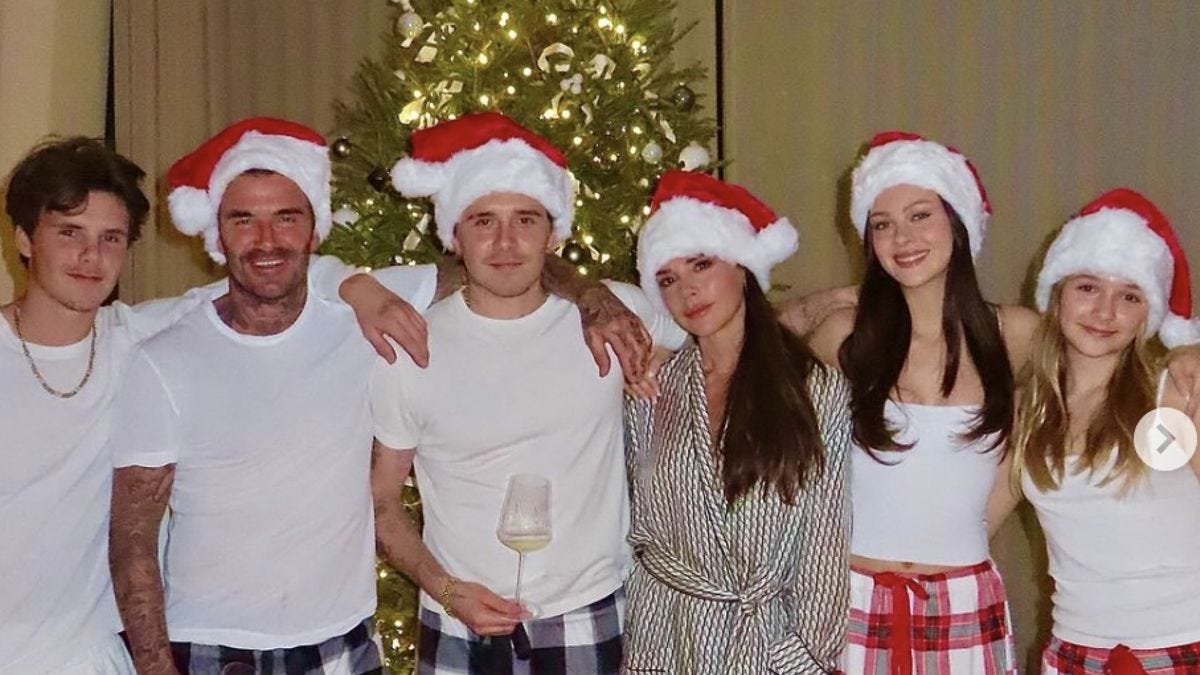
But has the Gen X parent model of befriending their kids actually been a good model? In many ways, arguably no. Boomers are credited for their successful buying up and commodifying the modern world and millennials are often given credit for the creation of the tech world, but the contributions of Gen X are often overlooked. The very sense of alienation and the ability and desire to forge their identities far away from parents made Gen X a dazzlingly creative generation. The ‘90’s like the ‘60’s are often recognised as a period of stunning creative and cultural productivity where some of the greatest music, literature, art, and ideas emerged, which paved the way for the modern world we live in today. It was the last time where young people could just ‘be’ and both had the ability and the wherewithal to do so, and from that emerged so much of the culture that still shapes us today.
There are a lot of parallels between Gen X and Gen Z. They are/were both heavily criticised and maligned generations that came of age in technological revolutions, economic depressions, wars being fought in the Middle East, oppressive right-wing governments that were desperate to roll back social progress and huge uncertainty about the future. They share a misanthropic ideology and sense of humour a resentment of older generations and a taste for creating chaos and burning down old systems. Where they diverge is, whilst it was certainly easier and more affordable for young Gen X people to move out and be independent, both their relationships with their parents and their independence of spirit (teen spirit, anyone?) meant that it was a given. When you hit eighteen or nineteen, it was time to make your own way in the world, and quite often parents, wanting to get on with their next phase, didn’t give their Gen X kids a whole lot of choice. There was golf to be played and retirements to be enjoyed, and they didn’t want their twenty-one-year old kids raining on their parades either.
Listening to Gen X-ers talk about their youths with both fondness and reverence and an acknowledgment that this independent spirit was the very thing that made their generation so interesting, it’s curious in many ways, there isn’t more of an urgency to pass on this very thing to their own Gen Z children. It’s absolutely true that Gen Z have been utterly screwed by the system, and unlike their Gen X parents they face impossibly expensive rent, house prices, university courses and everything else. But nonetheless, the anxiety Gen X have about letting their young adult kids go and live their lives and make their own mistakes, and Gen Z’s anxiety about cutting ties and learning to be young adults free from parental supervision is pronounced in almost every country in the West.
There is an irony that Gen X, the generation of misanthropy, dark humour, American Psycho, individualism, yuppyism, gangster rap, Raeganism, Thatcherism, cocaine, the Brat Pack, the beginning of gay rights, the Poll Tax riots – and so much more – have become the kindest generation where their own young adult children are concerned.
Calling Gen X the ‘slacker generation’ is the one of the most egregious mislabelling of a generation ever – sure, they might not want to have looked like they were trying, but they were actually trying really hard and often without a choice and not many resources. Gen X were really a generation of striving, revolution and independence and those were the very things that made them so interesting, so successful and gave them such vibrant stories and strong foundations to become such a dazzlingly creative generation.
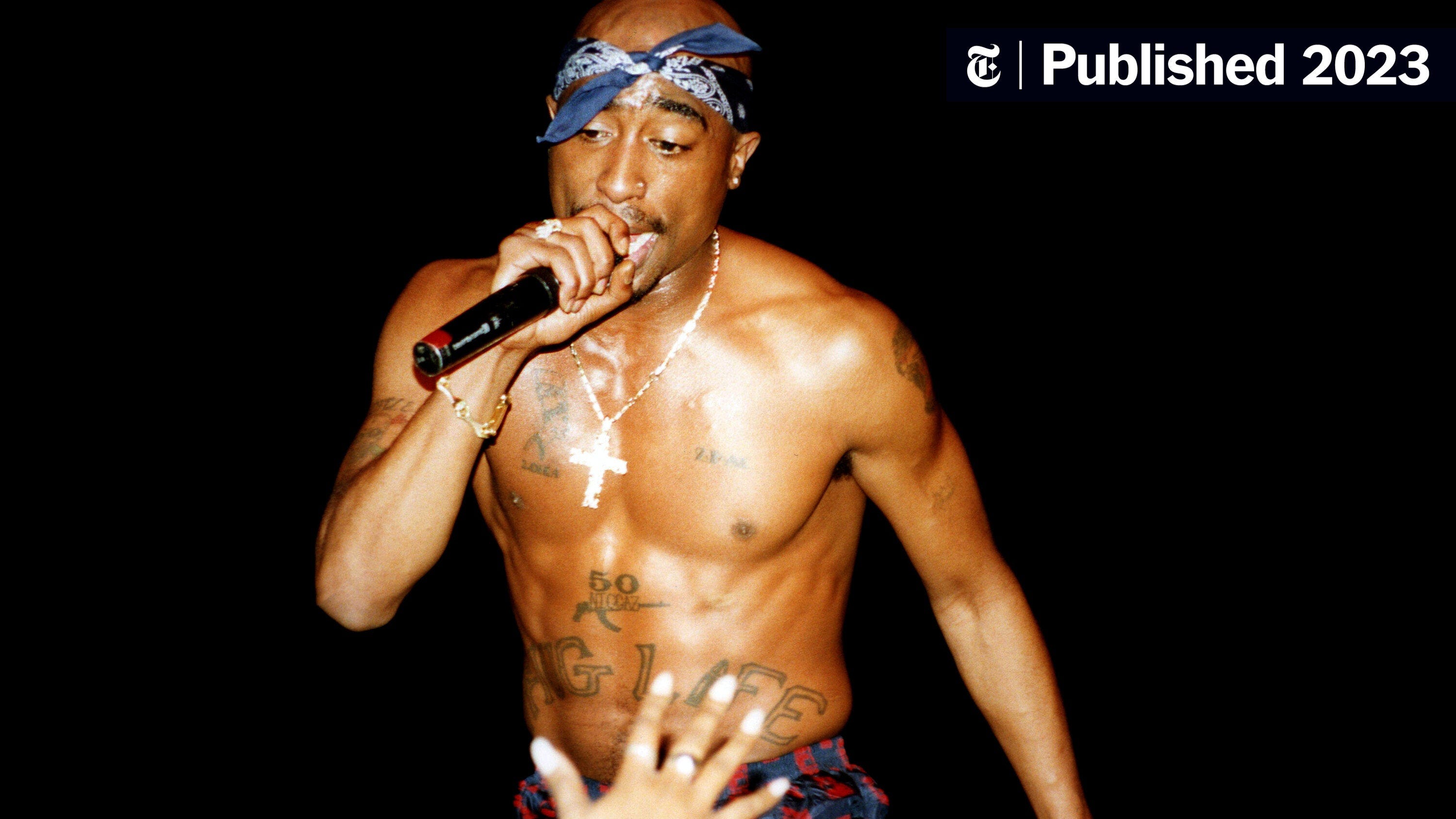
It’s understandable given how hard the world is and the kind of relationships they had with their parents, that Gen X parents, the latchkey kid generation, want to be kind to their own kids and give them everything and do everything for them. But Gen Z aren’t children now. The oldest of them are about to be (gulp!) 30. Gen Z now need to be able to write their own stories, form their own communities, make their own mistakes and write their own rules, and they can’t do that with mum and dad hovering in the background. Kindness is fine, providing it doesn’t become catastrophic kindness. The joke has always been that the defining word of Gen X was ‘whatever’ because it embodied that attitude and spirit of Gen X, that things will work out OK in the end…..and they kinda, sorta did.
Is it time to start applying some of that ‘whatever’ spirit to their Gen Z kids?